Now Reading: French Toast Recipe: Easy, Classic, and Perfect Every Time
-
01
French Toast Recipe: Easy, Classic, and Perfect Every Time

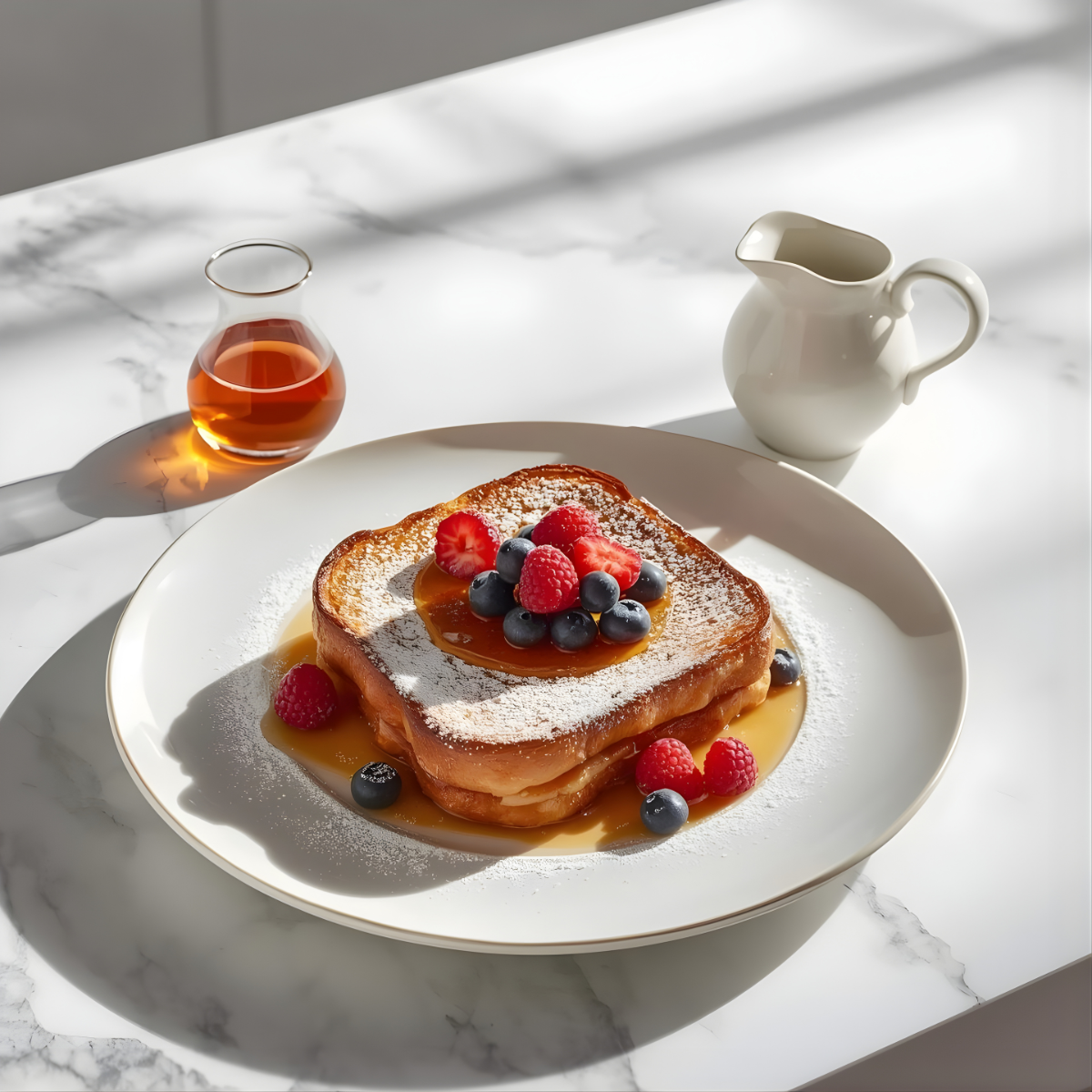
Learn how to make an easy, classic French toast recipe with simple ingredients and step-by-step instructions. Perfect every time for a delicious breakfast
Introduction
We believe a truly great breakfast sets the tone for the entire day, and nothing captures comfort, flavour, and nostalgia quite like a perfectly made french toast recipe. This iconic American breakfast favourite has earned its place on brunch menus, family tables, and cafe counters across the United States. With its golden-crisp exterior, soft custard centre, and endless topping possibilities, French toast delivers indulgence without complexity.
In this comprehensive guide, we present a meticulously crafted french toast recipe designed for consistent results, rich flavor, and restaurant-quality presentation. Every detail has been refined to meet the expectations of a modern USA-focused audience that values taste, nutrition awareness, and culinary reliability. From selecting the best bread to mastering cooking techniques and understanding nutritional value, this article covers everything needed to elevate French toast from ordinary to exceptional.
What Makes a Perfect French Toast Recipe
Choosing the Right Bread
The foundation of an exceptional french toast recipe starts with bread selection. We recommend thick-cut, slightly stale bread that can absorb custard without falling apart.
Best bread options include:
- Brioche for richness and sweetness
- Challah for structure and soft crumb
- Texas toast for classic American-style thickness
- Sourdough for a subtle tang and firm texture
Stale bread performs better because it absorbs the egg mixture evenly, creating a creamy interior while maintaining a crisp exterior.
Essential Ingredients for Classic French Toast
A well-balanced ingredient list ensures flavor depth and consistency. Each component plays a specific role in achieving ideal texture and taste.
Core Ingredients
- Thick-sliced bread
- Large eggs
- Whole milk or half-and-half
- Pure vanilla extract
- Ground cinnamon
- Granulated sugar
- Unsalted butter
Using high-quality dairy and real vanilla significantly enhances the final result of any french toast recipe.
Step-by-Step French Toast Recipe
Preparing the Custard Base
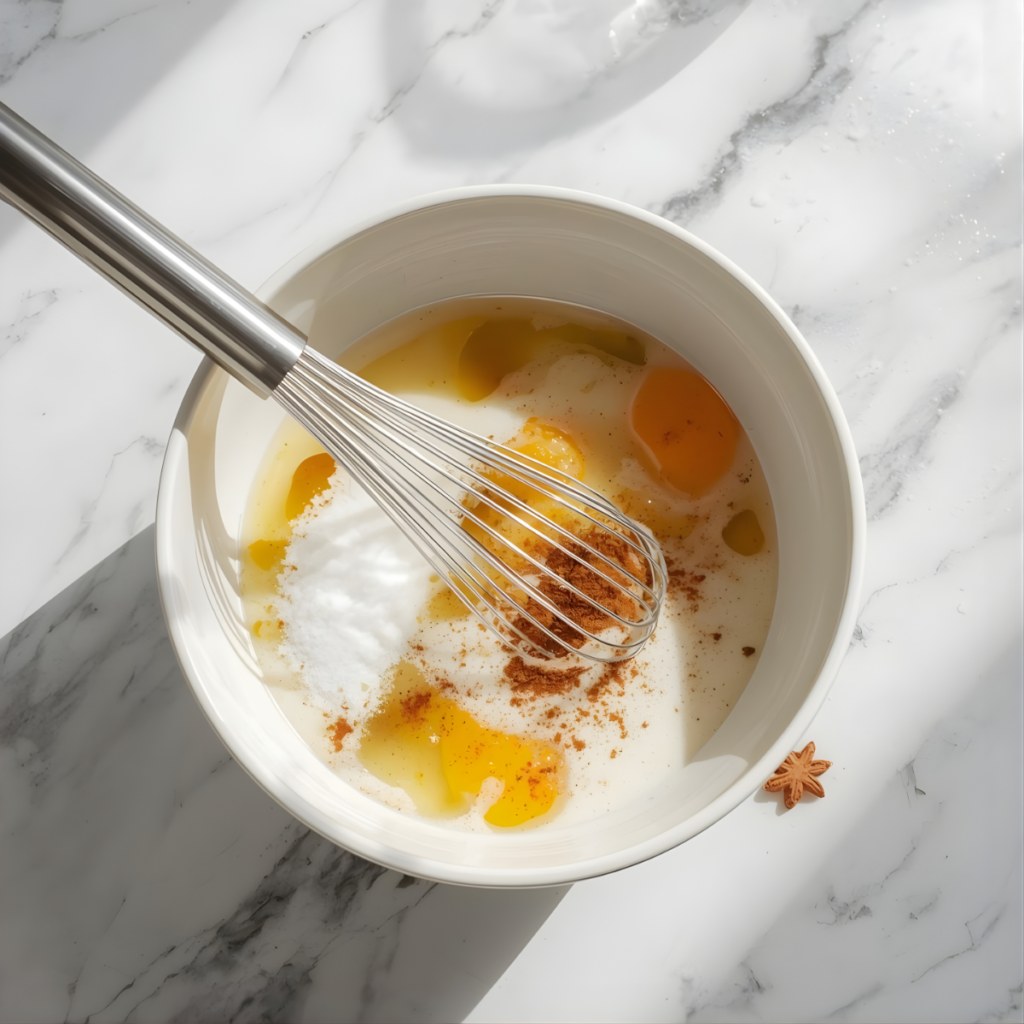
We whisk eggs, milk, vanilla extract, sugar, and cinnamon until fully combined. The mixture should be smooth and lightly frothy, ensuring even coating on each slice of bread.
Soaking the Bread
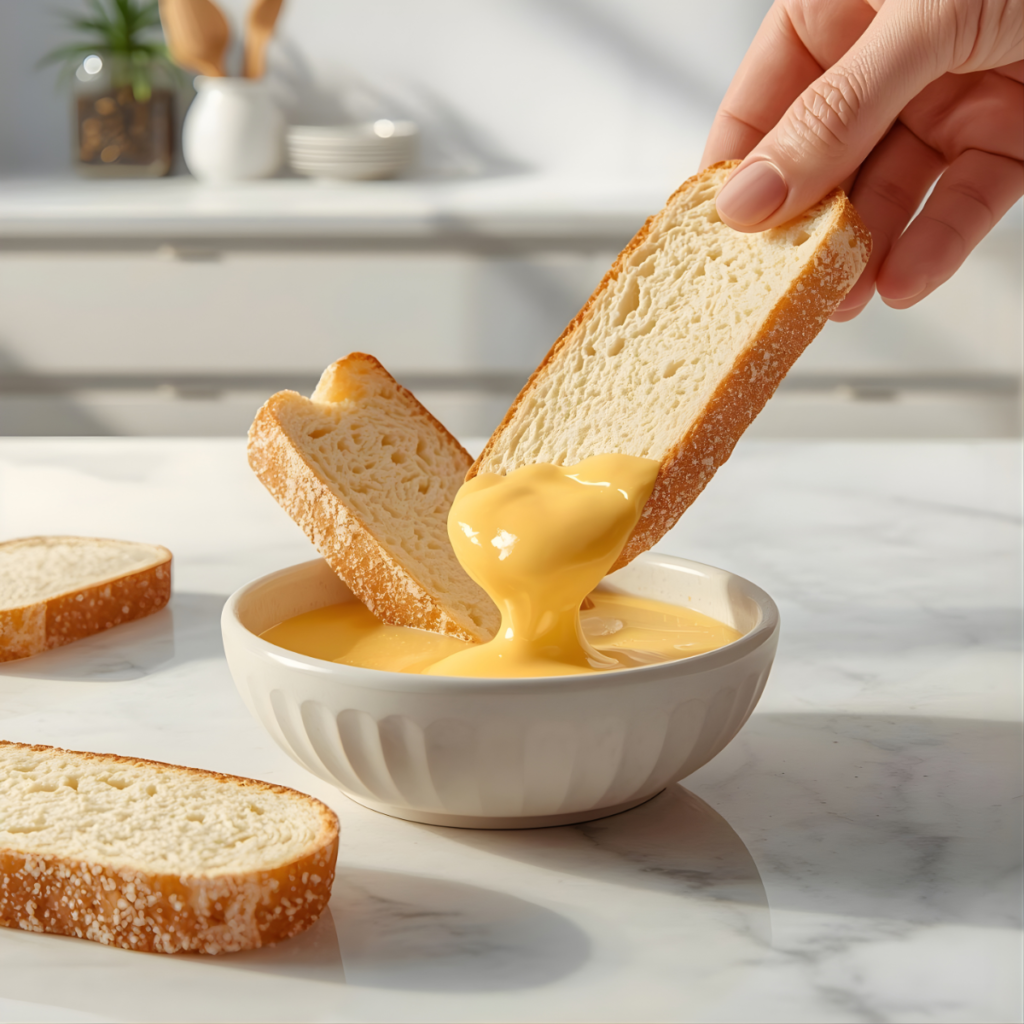
Each slice is dipped into the custard for approximately 20–30 seconds per side. This allows the bread to absorb flavor without becoming overly saturated.
Cooking to Golden Perfection
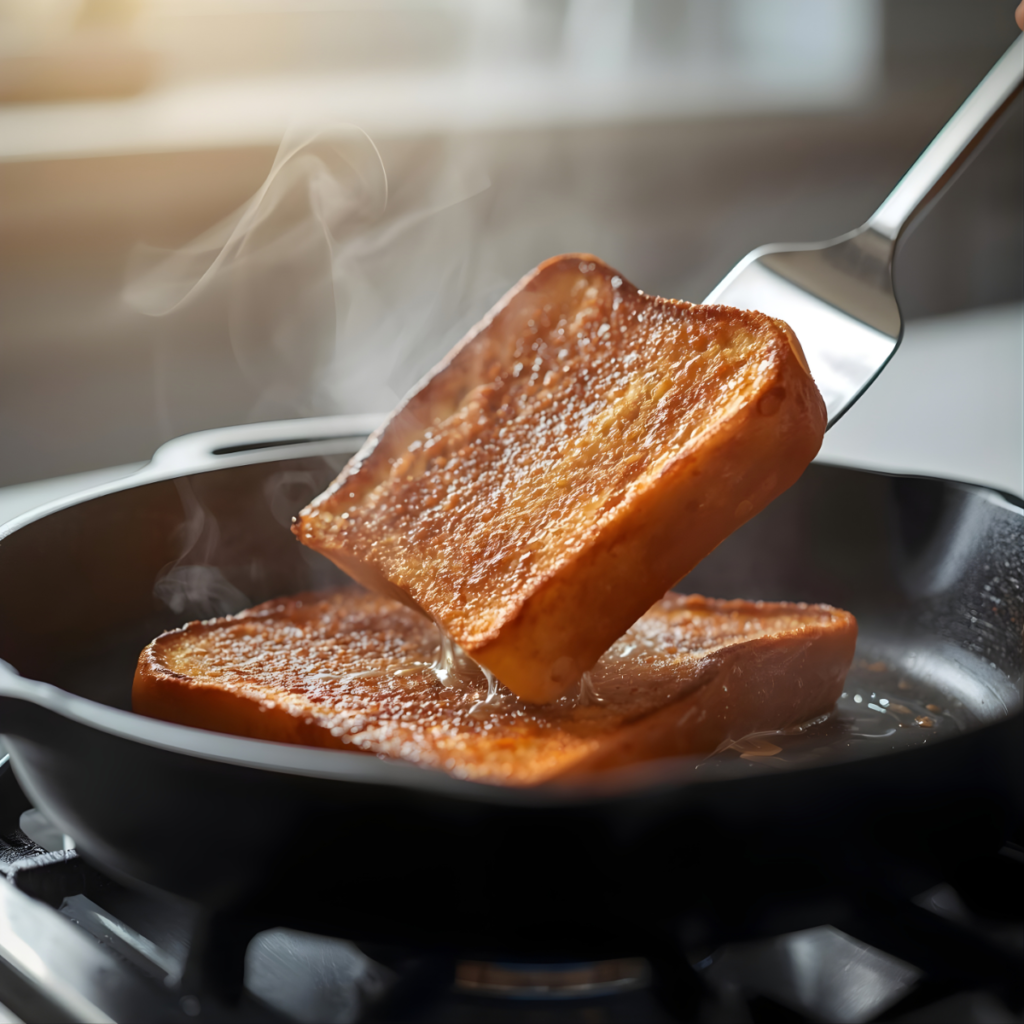
We heat a non-stick skillet or griddle over medium heat and melt unsalted butter evenly across the surface. Bread slices are cooked for 3–4 minutes per side until golden brown and slightly crisp.
Proper heat control is essential. Too high and the exterior burns; too low and the bread becomes soggy. This balance defines a superior french toast recipe.
Flavor Variations to Elevate Your French Toast
Cinnamon Vanilla French Toast
Extra cinnamon and vanilla enhance warmth and aroma, making this version ideal for cozy mornings.
Stuffed French Toast
Cream cheese, sweetened mascarpone, or fruit preserves are sandwiched between bread slices before dipping.
Protein-Packed French Toast
We substitute whole milk with high-protein milk or add egg whites for a nutrition-focused version suited for fitness-conscious Americans.
Best Toppings and Serving Ideas
French toast becomes unforgettable when paired with complementary toppings.
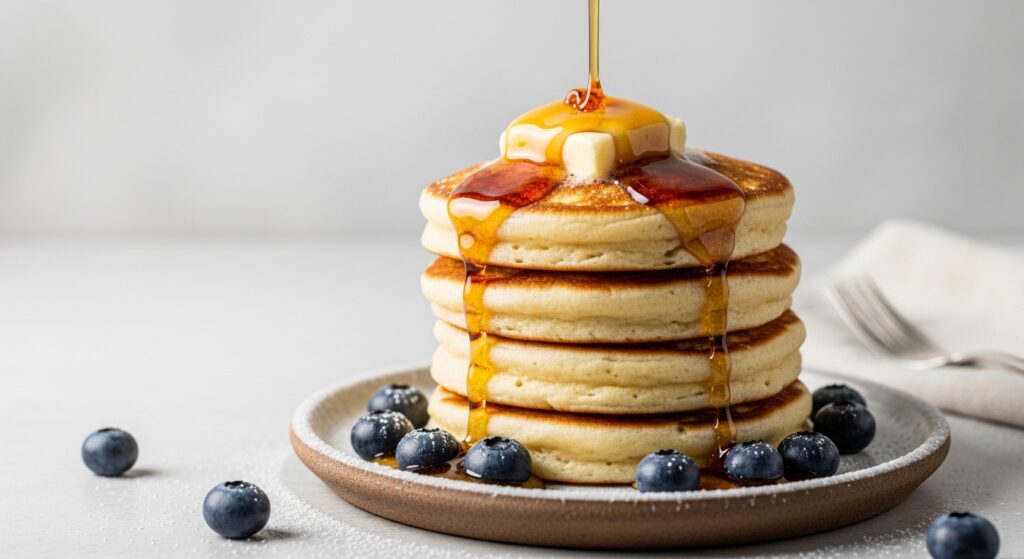
Toppings include:
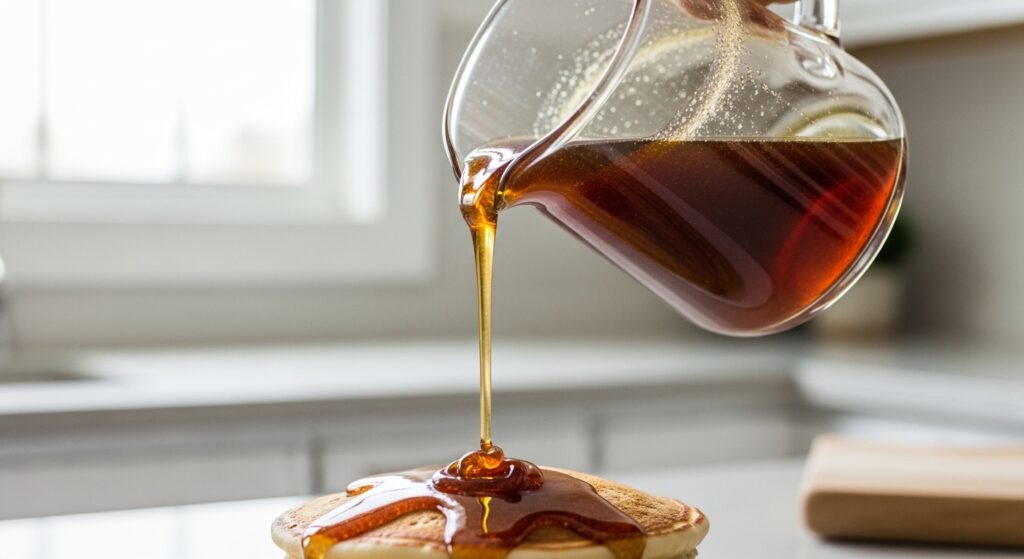
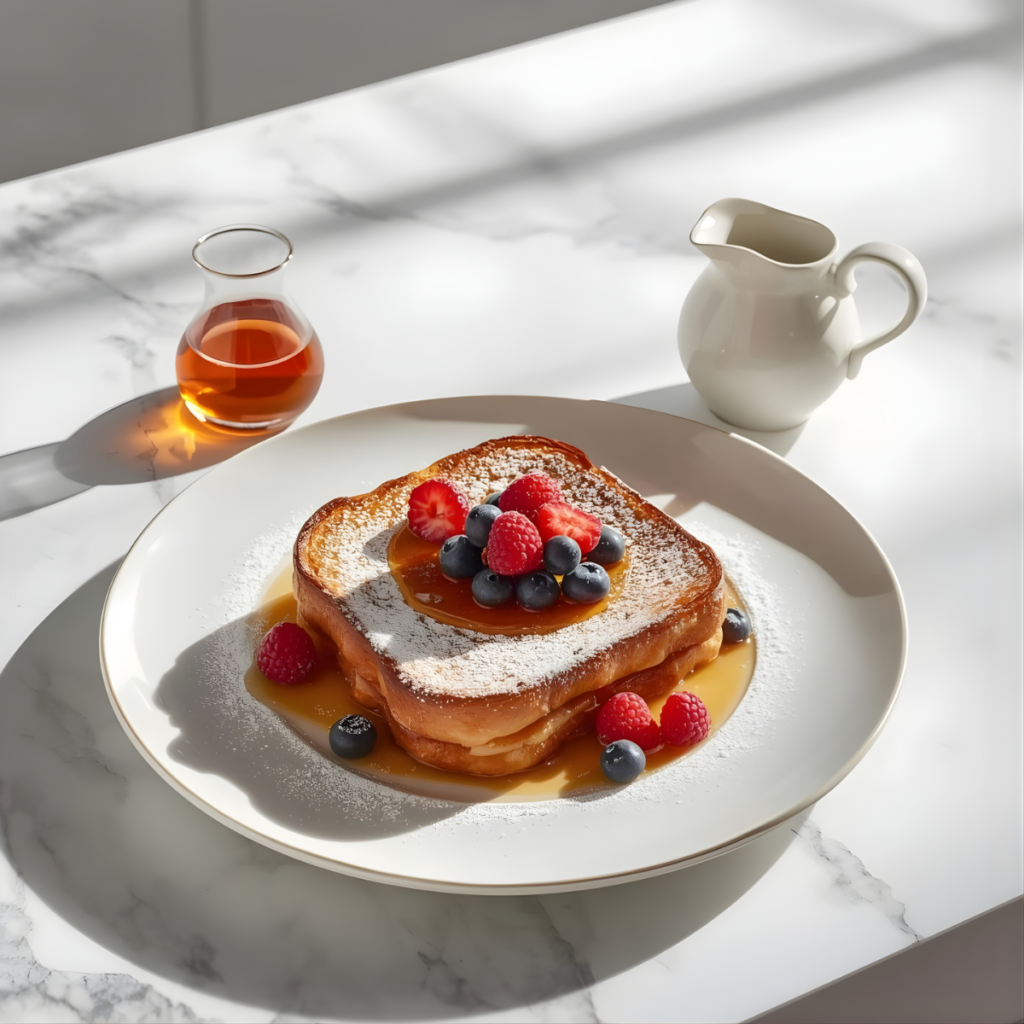
- Pure maple syrup
- Fresh berries
- Whipped cream
- Powdered sugar
- Caramelized bananas
- Chopped pecans or walnuts
For a well-rounded breakfast, French toast pairs perfectly with scrambled eggs, lean turkey bacon, or a side of fresh seasonal fruit.
Nutrition Facts (Per Serving)
Understanding nutritional content helps align indulgence with mindful eating.
Nutrition Facts Table
- Calories: 310
- Total Fat: 14g
- Saturated Fat: 6g
- Cholesterol: 165mg
- Sodium: 320mg
- Total Carbohydrates: 32g
- Dietary Fiber: 2g
- Sugars: 9g
- Protein: 10g
Values may vary depending on bread type, milk choice, and toppings. This french toast recipe can be adapted for lower-calorie or high-protein preferences.
Common Mistakes to Avoid
Using Thin Bread
Thin slices cannot retain custard properly and result in dry toast.
Over-Soaking
Excess soaking causes bread to collapse during cooking.
High Heat Cooking
High heat burns butter and creates uneven texture.
Avoiding these mistakes ensures consistent success with every french toast recipe.
Why French Toast Is a Staple in American Breakfast Culture
French toast has a special and lasting role in American breakfast culture. Its adaptability, affordability, and crowd-pleasing flavor make it ideal for both weekday breakfasts and weekend brunches. Across the USA, regional variations reflect local preferences, from diner-style plates drenched in syrup to gourmet café versions topped with seasonal fruit and artisan bread.
Storage and Reheating Tips
French toast can be prepared ahead for busy mornings.
Refrigeration
Store the cooked slices in an airtight container and keep them refrigerated for up to three days.
Freezing
Freeze individual slices with parchment paper between layers for up to one month.
Reheating
Reheat in a toaster oven or skillet for best texture retention.
Frequently Asked Questions (FAQ)
What type of milk works best for a French toast recipe?
Whole milk or half-and-half provides the richest flavour, while almond or oat milk works well for dairy-free options.
Can French toast be made without sugar?
Yes, sugar can be omitted or replaced with natural sweeteners like honey or maple syrup.
How do we make French toast crispy?
Using stale bread, moderate heat, and sufficient butter ensures a crisp exterior.
Is French toast healthy?
When made with whole-grain bread, controlled sugar, and balanced toppings, French toast can be part of a nutritious breakfast.
Can we bake French toast instead of frying?
Yes, baked French toast casseroles are popular for serving large groups and meal prep.
Conclusion:
A well-executed french toast recipe delivers comfort, versatility, and timeless appeal. By focusing on ingredient quality, precise technique, and thoughtful presentation, we achieve consistently delicious results suitable for any American breakfast table. Whether served simply with maple syrup or elevated with gourmet toppings, French toast remains an enduring favourite that never goes out of style.