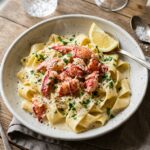
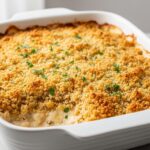
Make the best tuna casserole recipe in just 30 minutes — creamy, cheesy, and packed with flavor. One dish, simple ingredients, zero disappointment.
Introduction
Most tuna casserole recipes produce a watery, bland mess that smells like a can and tastes like one too — and the worst part is that most people think that’s just how it’s supposed to be. It isn’t.
You followed the recipe. You drained the tuna, measured the soup, layered the noodles — and pulled out something grey, soupy, and completely flat. That’s not a tuna casserole. That’s a baked disappointment with a breadcrumb topping.
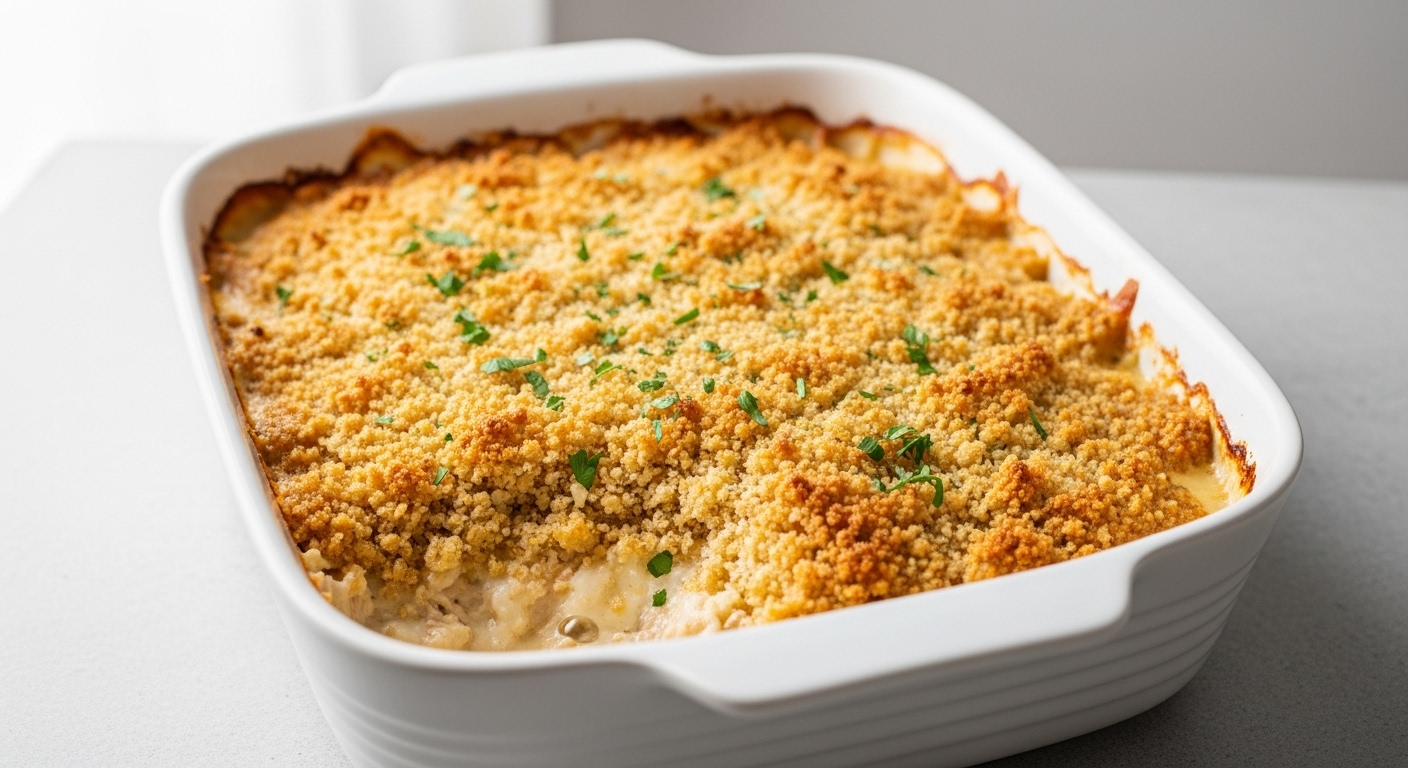
This best tuna casserole recipe fixes every single one of those problems. A rich, seasoned cream sauce built from scratch — not a can. Perfectly cooked egg noodles that hold their bite. A golden, crispy topping that shatters when your spoon breaks through it. Thirty minutes. One dish. Done right.
Quick Answer
This tuna casserole combines egg noodles, canned tuna, a homemade cream sauce, frozen peas, and shredded cheddar — baked together at 375°F (190°C) for 20 minutes until bubbling and golden. No cream of mushroom soup needed. The sauce is built in one pan in under 10 minutes and delivers far more flavor than any canned version.
Why You’ll Love This Recipe
The sauce is built from scratch — and it shows. A roux-based cream sauce takes four extra minutes compared to opening a can, and the flavor difference is immediate and obvious — rich, seasoned, and smooth rather than gelatinous and tinny. Once you make it this way, the canned version becomes genuinely unacceptable.
One dish means almost no cleanup. After boiling the noodles, everything comes together in a single baking dish — the sauce, the tuna, the peas, the cheese. There’s no second pan, no extra bowls, and no pile of dishes waiting after dinner. The whole process is straightforward from start to finish.
It reheats better than almost any casserole you’ve tried. The scratch-made sauce holds its creaminess through refrigeration and reheating in a way that condensed soup simply doesn’t — it loosens back up with a splash of milk instead of turning into a dense, gluey block the next day.
Ingredients List
Best Tuna Casserole Recipe
Creamy, cheesy, and ready in 30 minutes. This recipe uses a homemade scratch-made sauce for a rich, seasoned flavor that beats canned soup every time.
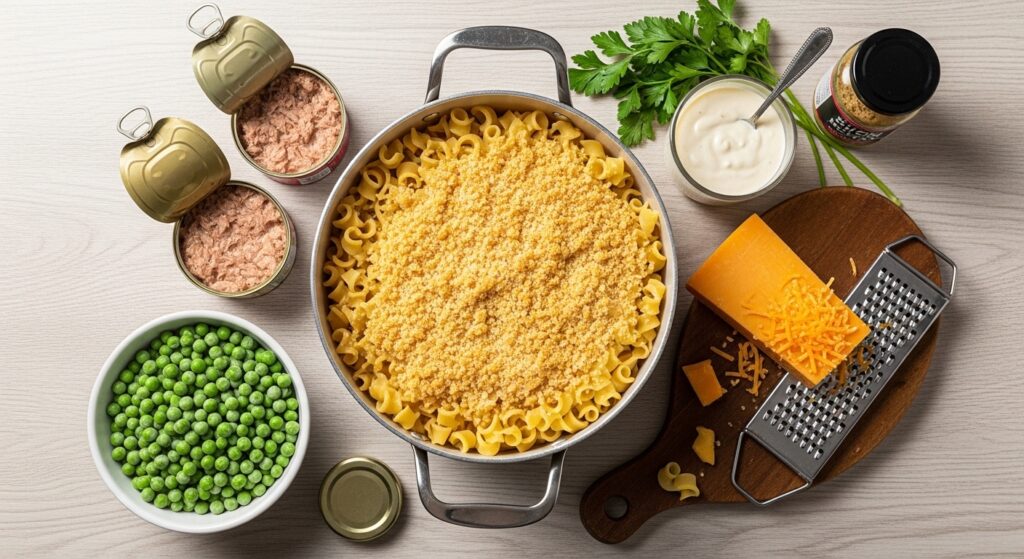
Canned tuna in waterdrained — 2 cans (10 oz / 280g total)
Frozen peas — 1 cup145g
Sharp cheddarshredded — 1½ cups (170g)
Topping:
Panko breadcrumbs — ½ cup30g
Buttermelted — 1 tbsp
Parmesangrated — 2 tbsp
Optional Add-ins:
Sliced mushrooms — sautéed first
Diced celery — for crunch
Red pepper flakes — for heat
Lemon zest — for brightness
Fresh parsley — for garnish
Method
Preheat and Boil: Preheat your oven to 375°F (190°C). Boil the egg noodles in salted water for exactly 2 minutes less than the package directions (they should be slightly firm). Drain and set aside.Make the Roux: In a large saucepan, melt the butter over medium heat. Whisk in the flour and cook for about 90 seconds until the mixture is pale golden and smells nutty.Create the Sauce: Slowly pour in the milk and chicken broth, whisking constantly to avoid lumps. Stir in the garlic powder, onion powder, Dijon mustard, salt, and pepper. Simmer for 2-3 minutes until the sauce thickens enough to coat a spoon.Mix the Filling: Remove the sauce from heat and stir in 1 cup of shredded cheddar until melted. Gently fold in the drained tuna, frozen peas, and cooked noodles.Assemble: Transfer the mixture into a lightly greased 9×13 baking dish. Sprinkle the remaining ½ cup of cheese over the top.Add the Topping: In a small bowl, mix the panko breadcrumbs, melted butter, and Parmesan. Sprinkle this evenly over the cheese layer.Bake: Bake for 18-20 minutes until the topping is deep golden brown and the edges are bubbling. Let it rest for 5 minutes before serving.
Tip:“Don't skip the Dijon mustard; it's the secret ingredient that balances the richness of the sauce!”
For the Cream Sauce:
Unsalted butter — 3 tbsp (42g)
All-purpose flour — 3 tbsp (24g)
Whole milk — 1½ cups (360ml)
Chicken broth — ½ cup (120ml)
Garlic powder — ½ tsp
Onion powder — ½ tsp
Dijon mustard — 1 tsp
Salt — ½ tsp
Black pepper — ¼ tsp
Main Ingredients:
Egg noodles, wide — 8 oz (225g)
Canned tuna in water, drained — 2 cans (10 oz / 280g total)
Frozen peas — 1 cup (145g)
Sharp cheddar, shredded — 1½ cups (170g)
Topping:
Panko breadcrumbs — ½ cup (30g)
Butter, melted — 1 tbsp
Parmesan, grated — 2 tbsp
Optional Add-ins:
Sliced mushrooms — sautéed first
Diced celery — for crunch
Red pepper flakes — for heat
Lemon zest — for brightness
Fresh parsley — for garnish
Every ingredient here pulls its weight — and the Dijon mustard is the move nobody expects but everyone notices.
Ingredient Notes & Smart Swaps
Canned Tuna: Use tuna packed in water, not oil — oil-packed tuna releases fat into the sauce during baking and makes the texture greasy rather than creamy. Drain it thoroughly and press the can lid firmly against the tuna to remove as much liquid as possible. Residual water is the number one reason casseroles turn out watery.
Egg Noodles: Cook them 2 minutes less than the package directions — they’ll finish cooking in the oven and absorb moisture from the sauce. Fully cooked noodles go mushy during baking and lose all their texture by the time the casserole comes out. Slightly underdone going in equals perfectly cooked coming out.
Sharp Cheddar: Always grate it fresh from a block — pre-shredded cheese contains cellulose powder that prevents proper melting and creates a slightly grainy texture in the finished dish. Fresh-grated cheddar melts into smooth, stretchy pulls that hold the casserole together and create that glossy, golden top layer.
Dijon Mustard: Don’t skip this — one teaspoon of Dijon adds a subtle sharpness that makes the cream sauce taste complex and layered without tasting remotely like mustard. It’s the ingredient that makes people ask what you did differently. Yellow mustard doesn’t work the same way — the flavor is too aggressive and one-dimensional.
Step-by-Step Instructions
1. Preheat and Boil Set your oven to 375°F (190°C) and bring a large pot of salted water to a boil. Cook the egg noodles for exactly 2 minutes less than the package instructions — they should be slightly firmer than al dente and still have a faint white line when you bite through one. Drain immediately and set aside.
(Pro Tip: Toss the drained noodles with a teaspoon of butter while they wait — this prevents them from clumping together into a solid mass before they go into the baking dish.)
2. Build the Cream Sauce Melt butter in a large saucepan over medium heat until it foams and settles — about 60 seconds. Add flour all at once and whisk continuously for 90 seconds until the mixture turns pale golden and smells faintly nutty. This is your roux — cooking it properly eliminates the raw flour taste that makes so many cream sauces feel heavy and starchy.
3. Add the Liquids Pour in the milk and chicken broth slowly — about ¼ cup at a time — whisking constantly between additions. The sauce will look lumpy and thick at first, then suddenly smooth out into a glossy, pourable consistency as you add more liquid. Add garlic powder, onion powder, Dijon mustard, salt, and pepper. Whisk for 2-3 minutes until the sauce thickens enough to coat the back of a spoon.
(Warning: Don’t rush the liquid additions. Pouring all the milk in at once causes lumps that are nearly impossible to whisk out without a blender — slow additions and constant whisking give you a perfectly smooth sauce every time.)
4. Combine Everything Remove the sauce from heat and stir in 1 cup of shredded cheddar until completely melted and smooth. Add the drained tuna, frozen peas, and cooked noodles — fold gently until every noodle is coated in sauce and the tuna is evenly distributed throughout. The mixture should look rich, glossy, and thick — not soupy.
(Pro Tip: Taste the filling before it goes into the baking dish and adjust salt at this stage — once it’s baked, seasoning doesn’t penetrate evenly. The filling should taste slightly more seasoned than you think it needs, because baking mellows the flavors slightly.)
5. Assemble and Top Transfer the filling into a lightly greased 9×13 baking dish and spread evenly. Scatter the remaining ½ cup of cheddar across the top. Mix panko breadcrumbs with melted butter and Parmesan, then sprinkle evenly over the cheese layer — the breadcrumbs should form a thin, even layer, not thick clumps.
6. Bake Until Golden Bake uncovered for 18-20 minutes. The edges will bubble vigorously and the cheese will melt completely — watch for the breadcrumb topping to turn deep golden brown and the center to show small bubbles breaking the surface. Pull it out and rest for 5 minutes before serving — the filling sets slightly and holds together cleanly when scooped.
Pro Tips for Perfect Results
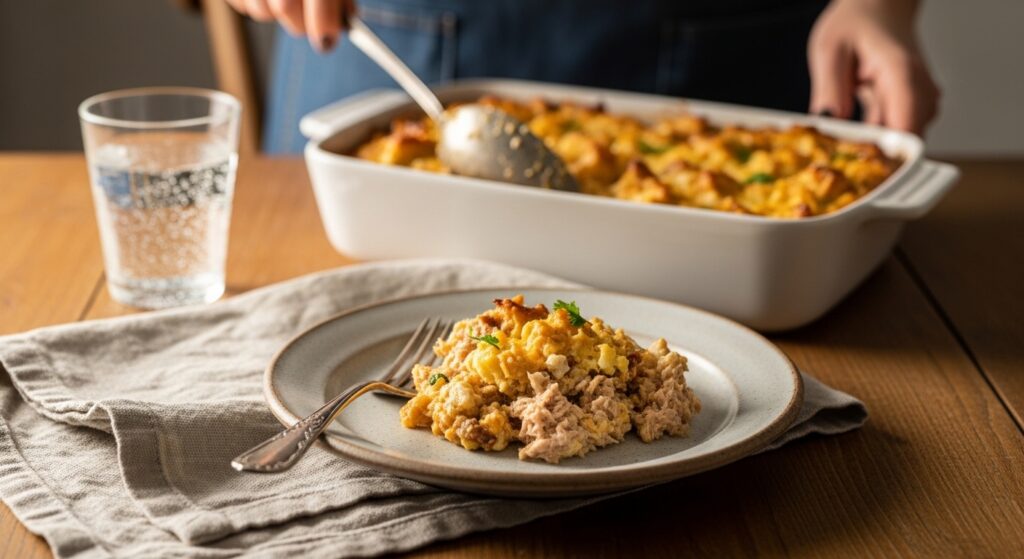
Rest Before Serving Five minutes of resting after the oven is non-negotiable — the cream sauce needs time to tighten slightly from its baking temperature. Cut into it immediately and everything slides apart on the plate. Wait five minutes and each scoop holds its shape and the layers stay defined.
Toast the Breadcrumbs First For an even crispier topping, toast the panko in a dry pan for 2 minutes before mixing with butter — pre-toasted breadcrumbs start the baking process already partially cooked and come out with a deeper, nuttier crunch that raw breadcrumbs can’t achieve in the same oven time.
Use Cold Milk for the Sauce Cold milk added to a hot roux actually produces a smoother sauce than warm milk — the temperature difference slows absorption and gives you more time to whisk out lumps before they set. It’s counterintuitive but it works every single time, and experienced sauce makers have used this trick for decades.
Common Mistakes to Avoid
Using Condensed Soup Instead of Scratch Sauce Condensed cream of mushroom soup contains high sodium, stabilizers, and a metallic undertone from the can that no amount of seasoning fixes. It also produces a gelatinous texture that never fully loosens during baking — you end up with a dense, sticky casserole instead of a creamy one. The scratch sauce takes four extra minutes and the difference is not subtle.
Fully Cooking the Noodles Before Baking Fully cooked noodles absorb moisture from the sauce during baking and turn soft and bloated by the time the casserole is done. They also release starch into the sauce and make the texture gluey rather than creamy. Two minutes underdone going into the oven means perfectly cooked coming out — this single adjustment changes the entire texture of the dish.
Not Draining the Tuna Properly Inadequately drained tuna releases water into the sauce during baking and dilutes everything — the flavor goes flat, the sauce loses its body, and the bottom of the casserole sits in a pool of liquid. Press the can lid firmly against the tuna and hold it for 30 seconds to remove every drop of excess water before adding it to the filling.
Variations & Substitutions
Gluten-Free Tuna Casserole Replace all-purpose flour with a 1:1 gluten-free flour blend for the roux and use gluten-free egg noodles or rice noodles. Gluten-free flour thickens at the same rate as regular flour in a roux application because both work through starch gelatinization — the texture of the finished sauce is virtually identical and most people can’t tell the difference.
Tuna Noodle Casserole with Mushrooms Sauté 2 cups of sliced cremini mushrooms in butter until deeply browned before making the sauce — use the same pan so the mushroom fond becomes part of the roux base. Browned mushrooms add umami depth that makes the entire casserole taste meatier and more complex without changing the fundamental structure of the recipe.
Dairy-Free Tuna Casserole Replace butter with olive oil, whole milk with full-fat oat milk, and cheddar with a dairy-free cheddar-style shred. Full-fat oat milk has enough body to form a stable roux-based sauce because its starch content mimics the thickening behavior of dairy milk — the sauce holds together through baking without separating or becoming grainy.
What to Serve With It
Simple Green Salad — A lightly dressed salad with lemon vinaigrette cuts through the richness of the cream sauce and resets the palate between bites without competing with the casserole’s flavor.
Roasted Broccoli — The slight bitterness and char of roasted broccoli creates a sharp contrast against the creamy, cheesy filling that makes both elements taste more defined and interesting alongside each other.
Crusty Bread — A thick slice of crusty bread for scooping up extra sauce from the dish is genuinely the best use of bread in any weeknight dinner context.
To Drink: A crisp white wine — Pinot Grigio or Sauvignon Blanc — cuts through the cream cleanly. For a non-alcoholic option, sparkling water with lemon alongside a rich casserole is more refreshing than still water and keeps the palate cleaner between bites.
Best Occasion: Weeknight family dinner, Sunday meal prep, potluck contribution, or any night when comfort food needs to be on the table in under 30 minutes.
Storage & Reheating Instructions
Refrigerator: Store leftovers in an airtight container for up to 4 days. Transfer to the container while still slightly warm — sealing it cold traps condensation on the lid that drips back onto the breadcrumb topping and makes it soggy by the next day.
Freezer: Assemble the casserole fully but don’t bake — cover tightly with two layers of foil and freeze for up to 2 months. Bake straight from frozen at 375°F (190°C) for 45 minutes, removing the foil for the last 10 minutes to crisp the topping.
Reheating Hack: Add one tablespoon of milk directly over the casserole before microwaving — not water, not broth, specifically milk. It reactivates the cream sauce proteins and restores the original creamy texture instead of the dry, clumped result you get from reheating without adding any liquid. Cover loosely and microwave in 90-second bursts, stirring between each.
Nutrition Facts (per serving — based on 6 servings)
Nutrient
Amount
Calories
420 kcal
Protein
32g
Carbohydrates
38g
Fats
15g
Fiber
3g
Sodium
610mg
Key Vitamins/Minerals
Calcium, Iron, Vitamin D, Omega-3
Based on whole milk, sharp cheddar, and water-packed tuna. Values are estimates.“All nutrition values are based on USDA food database.”
FAQs
Can I make tuna casserole ahead of time? Yes — assemble it completely, cover tightly, and refrigerate for up to 24 hours before baking. The noodles will absorb some sauce overnight, which actually deepens the flavor. Add 5 extra minutes to the bake time when cooking straight from the fridge, and add a splash of milk over the top before it goes in to restore the sauce consistency.
Why is my tuna casserole watery? Watery casserole comes from three sources: under-drained tuna, overcooked noodles releasing starch, or too much liquid in the sauce. Drain the tuna thoroughly by pressing the lid firmly, cook noodles 2 minutes under, and make sure your cream sauce coats a spoon before adding the other ingredients. Fix all three and the watery problem disappears entirely.
Can I use canned chicken instead of tuna? Yes — canned chicken works as a direct swap in the same amount. Drain it as thoroughly as you would tuna. The flavor profile shifts from briny and oceanic to milder and more neutral, which means the Dijon mustard and sharp cheddar become more prominent in the finished dish. Some people actually prefer the chicken version for its cleaner, less assertive flavor.
What pasta can I use instead of egg noodles? Wide egg noodles work best because their flat shape maximizes surface area contact with the sauce. Rotini, penne, or shells are all solid alternatives — avoid spaghetti or linguine, which clump together in a casserole format and don’t hold the sauce the same way. Whatever pasta you choose, cook it 2 minutes under the package time.
Can I make tuna casserole without breadcrumbs? Yes — skip the breadcrumb topping entirely and use only shredded cheddar on top. Without the breadcrumbs, the cheese melts into a flat, golden layer rather than a crunchy crust — still delicious, just texturally different. Alternatively, crushed Ritz crackers mixed with melted butter make an excellent topping with a richer, butterier crunch than panko.
Conclusion
You now have everything you need to make the best tuna casserole of your life — and the detail that changes everything is that scratch-made cream sauce. It takes four extra minutes and makes the entire dish taste like something you’d order at a restaurant rather than pull from a can. Make it this week and drop your results in the comments — I want to know if you tried the Dijon mustard trick. And if you’re already thinking about your next weeknight dinner, the Healthy Tuna Salad Recipe on recipedraft.com uses the same canned tuna with a completely different flavor direction.