Now Reading: Healthy Tuna Salad Recipe (High-Protein, Fresh & Meal-Prep Friendly)
-
01
Healthy Tuna Salad Recipe (High-Protein, Fresh & Meal-Prep Friendly)
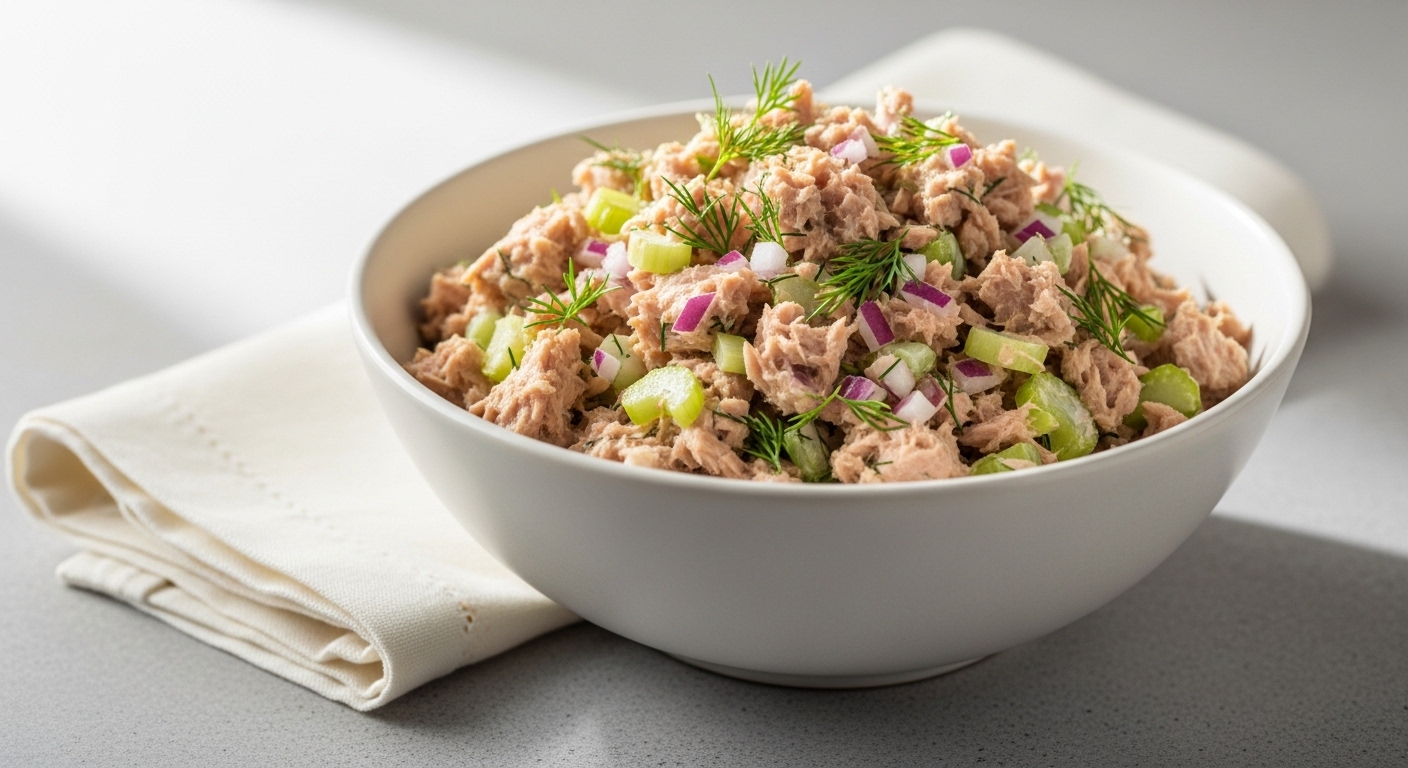

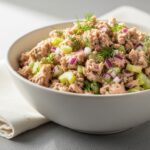
This Healthy Tuna Salad Recipe delivers high-protein, meal-prep-ready results — lean tuna, crisp vegetables, and bold flavor that hits hard in every single bite.
Introduction
Most tuna salads are drowned in mayo or are too dry. We’ve accepted this as normal. A Healthy Tuna Salad shouldn’t taste bland or greasy.
You open the can, mix it, and take a bite—why is it boring? No crunch or brightness; just heavy, flat flavor. That’s not a tuna issue but a balance issue.
This recipe fixes it: lean protein, crisp texture, sharp acidity, and just enough creaminess for balance. It’s high-protein, fresh, and great for meal prep. That means bold flavor, clean ingredients, and texture that makes you want more. Let’s make it right.
Quick Answer
This Healthy Tuna Salad combines drained tuna, Greek yogurt, celery, lemon juice, and Dijon for a high-protein, low-mayo mix. It offers a nutritious option with less fat, extra protein, and satisfying texture. Mix gently, season well, and chill for 30 minutes. It’s creamy but light, textured, and sturdy for meal prep without turning watery.
Why You’ll Love This Recipe
- High-Protein, Not Heavy — Greek yogurt replaces most of the mayo, giving you more protein in each serving and a creamy, structured texture. This means steady energy and no greasy aftertaste.
- Diced celery and red onion add snap and contrast, so the salad never feels flat. The texture keeps it satisfying.
- Meal-Prep Reliable — This salad keeps its texture and flavor for days, making it perfect for healthy, quick weekday lunches. No soggy or flavorless meals—just grab and go with confidence.
Ingredients List
Dry Ingredients
Kosher salt — ¾ teaspoon (4 g)
Black pepper — ½ teaspoon (2 g)
Garlic powder — ½ teaspoon (2 g)
Wet Ingredients
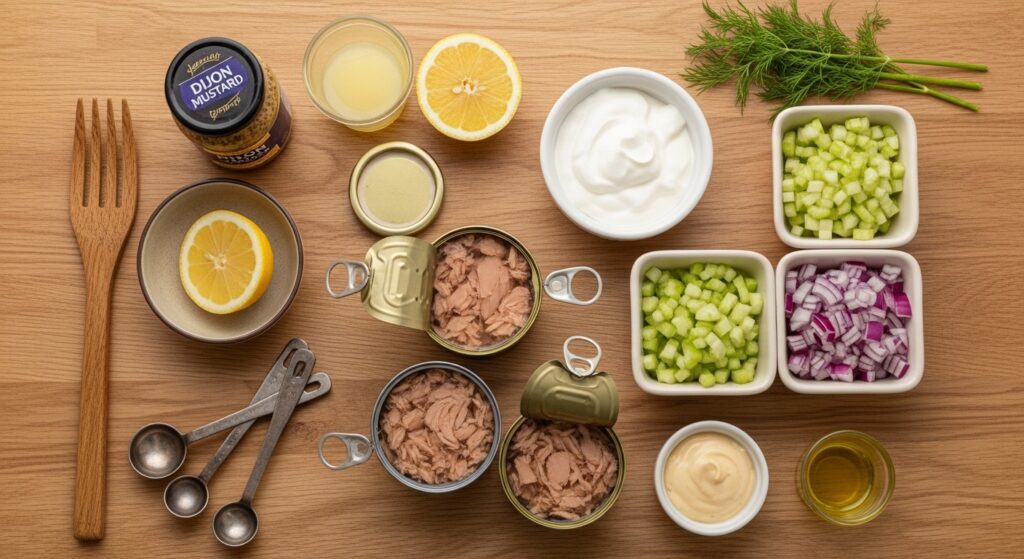
Canned tuna in water, drained — 2 cans (10 oz / 280 g total)
Plain Greek yogurt — ½ cup (120 g)
Olive oil mayonnaise — 2 tablespoons (30 g)
Fresh lemon juice — 1 tablespoon (15 ml)
Dijon mustard — 1 teaspoon (5 ml)
Toppings / Optional Add-ins
Celery, finely diced — ½ cup (60 g)
Red onion, minced — 3 tablespoons (30 g)
Fresh dill or parsley — 1 tablespoon (4 g)
Nothing complicated — just smart ratios.
Ingredient Notes & Smart Swaps
Tuna: Use tuna packed in water, not oil. Oil-packed tuna sounds richer, but it throws off the balance and makes the salad greasy once chilled.
Greek Yogurt: Full-fat or 2% works best for structure. Nonfat can taste chalky and thin out after a day in the fridge — protein matters, but texture matters more.
Mayo: Only two tablespoons. That’s enough to round out flavor without overpowering the yogurt or masking the tuna’s clean taste.
Lemon Juice: Fresh only. Bottled lemon adds sharp acidity without brightness, and in a cold dish, you’ll taste that difference immediately.
Swap Option: For dairy-free, use mashed avocado instead of yogurt. It works because avocado provides natural fats that mimic creaminess while keeping the salad cohesive.
Step-by-Step Instructions
- Start by draining the tuna thoroughly. Press the lid into the can and squeeze out excess liquid — you want it nearly dry so the salad doesn’t loosen later. (Pro Tip: Pat it lightly with paper towels for extra insurance.)
- In a medium bowl, whisk yogurt, mayo, lemon juice, Dijon, salt, pepper, and garlic powder until smooth. Once mixed, the blend should look thick and creamy—never runny—and smell bright from the lemon.
- Now add the drained tuna. Break it up gently with a fork, but don’t mash it into paste. You’re aiming for small flakes that still have texture.
- Fold in celery and onion last so they stay crisp. Overmixing makes everything dense.
- Taste it. Does it need more salt or acid? Cold food dulls flavor, so adjust slightly past what tastes perfect at room temperature. A little extra lemon sharpens everything.
- Once adjusted, cover and chill at 38°F (3°C) for at least 30 minutes. The texture tightens, flavors meld, and the salad becomes cohesive instead of loose. That short rest makes a noticeable difference — don’t skip it.
Pro Tips for Perfect Results
Drain well—excess water makes tuna salad soggy. I press and tilt the can twice; it’s worth 20 seconds.
Season After Chilling — Sounds backward, but cold dulls salt. I taste again after 30 minutes and sometimes add a pinch more to wake it up.
If storing for more than 2 days, reserve half the celery and stir in fresh celery. This keeps the texture lively.
Common Mistakes to Avoid
Skipping mayo completely sounds healthy, but it leaves a tangy, sour finish. A little mayo smooths acidity and stabilizes texture.
Overmixing turns the salad into a spread rather than a scoopable mix. Fold gently to keep flakes intact.
Without lemon or mustard, the salad tastes flat and heavy. Acid cuts through protein and fat, adding brightness.
Variations & Substitutions
Mediterranean Style: Add chopped olives and cherry tomatoes. The saltiness and juiciness create contrast, and the acidity balances the yogurt base.
Spicy Protein Boost: Mix in 1 teaspoon sriracha and a pinch of smoked paprika. Heat stimulates your palate, making the tuna taste richer without extra fat.
Vegan Alternative: Replace tuna with mashed chickpeas and use dairy-free yogurt. Chickpeas mimic a flaky texture while absorbing seasoning surprisingly well.
What to Serve With It
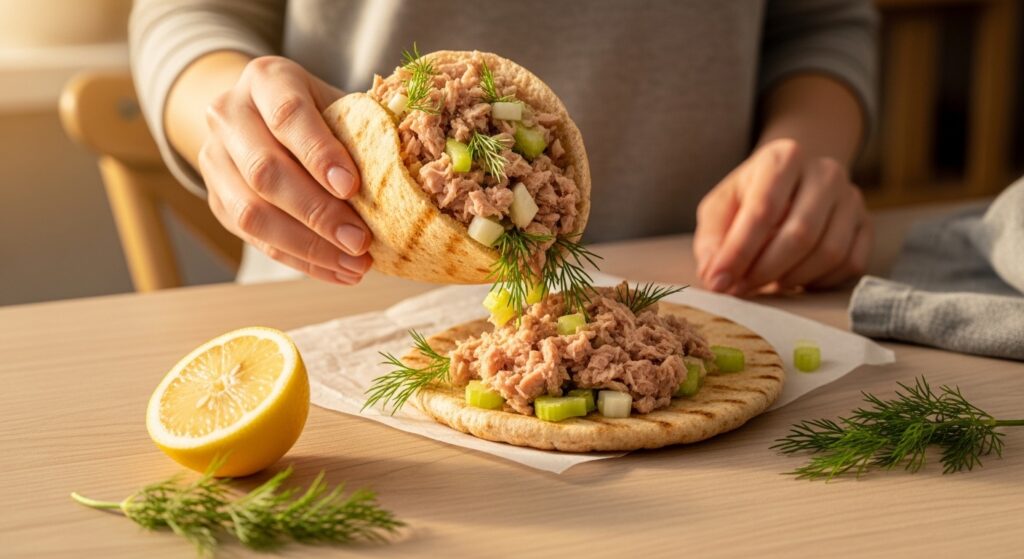
Spoon over mixed greens for a salad bowl. Stuff in whole-grain pita for lunches. Spread on sourdough for crunch. Pair with sparkling water or iced tea. Ideal for work lunches, post-workout meals, or light dinners.
Storage & Reheating Instructions
Store in an airtight container in the refrigerator for up to 3 days. Press plastic wrap directly onto the surface before sealing — it limits air exposure and prevents drying.
Freezing isn’t ideal because yogurt separates, but you can freeze drained tuna alone for up to 2 months.
No reheating needed. If texture thickens too much, stir in exactly 1 teaspoon cold water — not yogurt — to loosen without altering flavor balance.
Nutrition Facts (per serving)
| Calories | 210 |
| Protein | 26 g |
| Carbohydrates | 4 g |
| Fats | 10 g |
| Fiber | 1 g |
| Sodium | 420 mg |
| Key Vitamins/Minerals | Vitamin D, Selenium, B12 |
FAQs
How do I keep tuna salad from getting watery?
Drain the tuna thoroughly, then add the crunchy vegetables last. Excess liquid is the main cause of separation. Pressing out moisture before mixing dramatically improves texture after chilling.
Can I make this ahead for meal prep?
Yes — it actually tastes better after 30–60 minutes in the fridge. The dressing thickens, and flavors settle, making the salad more cohesive.
Is tuna salad good for weight loss?
It can be, especially when you use Greek yogurt instead of heavy mayo. High protein increases satiety, helping you stay full longer.
Can I use tuna in oil?
You can, but drain it very well and reduce added fats. Oil-packed tuna can overpower the lighter yogurt base.
How long does tuna salad last?
Stored at 38°F (3°C), it stays fresh for up to 3 days. After that, the texture declines, even though it still smells fine.
Conclusion
This isn’t a bland, watery tuna salad. It’s high in protein for steady energy, fresh for flavor, and structured so it stays satisfying. Pressing out all the liquid and chilling before serving brings out the best: a balanced, crave-worthy meal prep staple.
So make it. Taste it after it rests. Notice the clean bite and real texture.
And if you tweak it — more lemon, extra dill, a spicy kick — tell me how it turns out. Share it, save it, and keep your lunches solid from here on out.